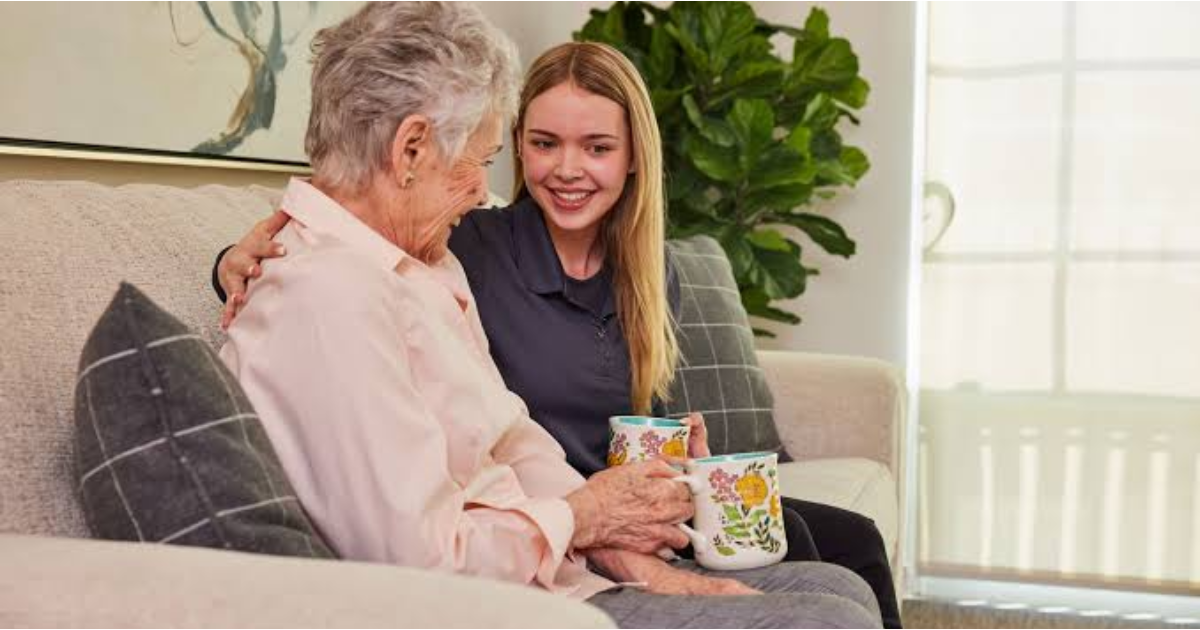

How Companionship Improves Senior Mental Health
Aging can be lonely. Friends move away or pass on. Families get busy. Mobility decreases. The world that once felt full of connection can start to feel quiet in ways that go well beyond preference. For many seniors, this kind of social isolation becomes a genuine health risk. Understanding how companionship improves senior mental health is not just an interesting topic. It is essential knowledge for anyone who loves an older adult.
The research is striking. Studies have found that chronic loneliness can be as harmful to a person’s health as smoking 15 cigarettes a day. It raises the risk of dementia by as much as 50 percent and is closely linked to depression, anxiety, high blood pressure, and accelerated cognitive decline. The solution, at its core, is not complicated. It is a human connection. Consistent, meaningful, caring company.
The Link Between Isolation and Mental Health Decline
When seniors lose regular social interaction, the brain has fewer opportunities for engagement. Without stimulation, cognitive function can decline faster. Without emotional connection, depression can creep in unnoticed. And without someone paying attention, early warning signs of mental or physical health changes can go undetected for too long.
This is how companionship improves senior mental health at its most fundamental. A companion provides interaction, observation, and presence. That is a powerful package.
Reduced Depression and Anxiety
Regular, warm conversation provides an emotional outlet that reduces the weight of worry and sadness. Seniors who have someone genuinely interested in their day, their stories, and their feelings experience lower rates of depression and anxiety. A companion offers reassurance and a sense of security that counteracts the emotional cost of isolation.
Stronger Cognitive Function
Talking, thinking, playing games, and engaging in shared activities all stimulate the brain. This kind of cognitive exercise is well-supported by research as a strategy for maintaining mental sharpness. Companion caregivers who know how to engage a senior with dementia or memory concerns can make cognitive stimulation feel like enjoyment rather than therapy, which makes it more effective and sustainable.
Greater Physical Activity
One of the less obvious ways in which companionship improves senior mental health shows up is through movement. Seniors who have companions are far more likely to take walks, attend local events, or participate in light exercise. Physical activity releases endorphins, which naturally improve mood. Having a companion makes it feel safe and worthwhile.
A Sense of Purpose and Routine
Purpose and structure are powerful protectors of mental health at any age. When a senior has a companion coming to visit, they have something to prepare for, look forward to, and reflect on. This daily rhythm reduces the sense of being adrift that can accompany the later stages of life, especially for seniors who no longer work or drive.
What Good Companion Care Looks Like
A good companion caregiver listens actively, shows genuine interest, engages in activities the senior enjoys, and shows up consistently. The relationship matters more than any specific task. Trust builds over time, and that trust is what makes companion care genuinely therapeutic rather than just a service.
Give Your Loved One the Connection They Deserve
Now that you understand how companionship improves senior mental health, the next question is where to find the right companion. Coastal Home Care Givers provides warm, vetted caregivers who go beyond tasks to offer real friendship and consistent companion engagement. Call us today to find the right match for your loved one.